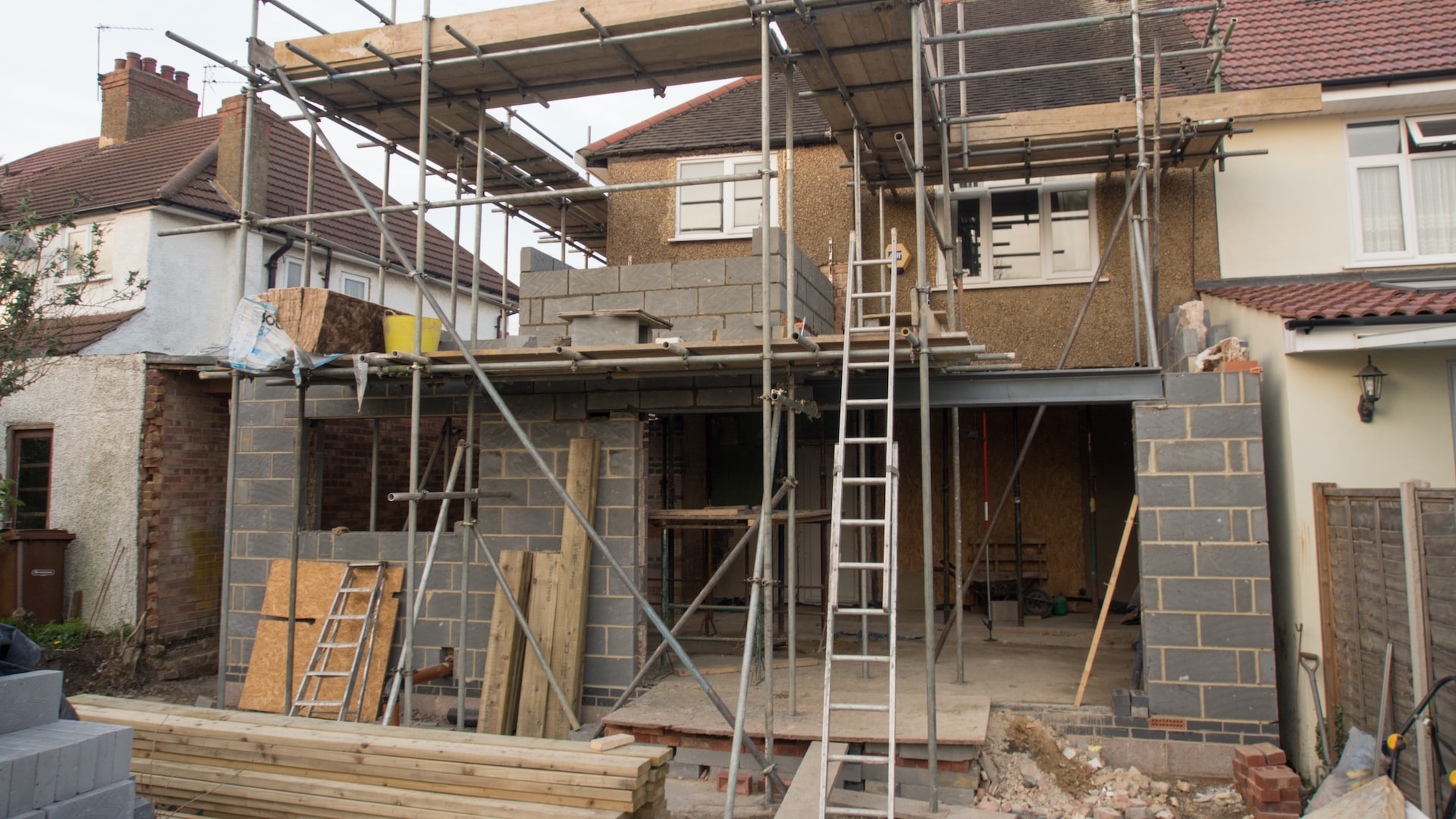
A roof rarely asks for attention at a convenient moment. It might announce itself through a damp patch above the dining table, a loose sheet rattling on a windy night, or a suspicious drip beside stock in a storeroom. Sometimes there is no emergency at all, just a growing sense that the house would look sharper—and feel better protected—with a roof that has seen fewer winters.
Across Waimakariri, roofing decisions sit at the intersection of practicality, property value, and everyday comfort. A rural home outside Oxford faces different considerations from a modern build in Rangiora or a commercial premises in Kaiapoi. The right approach starts with understanding the building, not simply choosing a colour from a sample chart.
For homeowners and small business owners considering the best roofing company in Waimakariri for reliable property protection, knowing what to ask can make the conversation more productive. From residential roofing to larger commercial projects, a little preparation helps turn an intimidating expense into a well-planned property improvement.
What Defines the best roofing company in Waimakariri
The strongest roofing relationship begins with clear information. Before discussing profiles, coatings, or replacement dates, a contractor should establish what is happening on the roof and what the owner wants to achieve.
Is the aim to stop an isolated leak? Replace a roof nearing the end of its useful life? Improve the appearance of a property before selling? Protect business operations through the next decade? These goals can lead to different recommendations.
A useful assessment considers the roof as a system. Sheets or tiles matter, but so do flashings, fixings, penetrations, underlay, gutters, and the structure beneath them. Replacing one visible component without addressing related defects may leave the underlying problem unresolved.
When approaching Waimakariri Roofers, ask for an explanation of the recommended work in everyday language. Photographs, a clearly described scope, and a written quote are more useful than a sweeping promise that everything will be “sorted”.
Look for clarity rather than confident slogans
Good questions reveal more than polished advertising. Ask who will carry out the work, how the site will be managed, and what happens if hidden deterioration is uncovered.
It is also sensible to ask about insurance, relevant experience, warranty terms, and any licensing required for the particular work. Requirements depend on the project, so avoid assuming every repair and replacement follows the same process.
Residential Roofing That Fits the Way You Live
A family home is not an empty worksite. It may contain sleeping children, a home office, pets, delicate garden beds, and vehicles that need access throughout the day. Residential roofing solutions should account for these everyday realities.
Before work starts, discuss noise, parking, access, material deliveries, and protection around entrances. If you work from home, knowing when the loudest stages are likely to occur can help you arrange meetings elsewhere.
The roof’s design also deserves attention. A simple roof plane can be relatively straightforward to maintain, while multiple valleys, skylights, chimneys, and changes in pitch create more junctions that need careful detailing.
Match the solution to the building
Not every ageing roof needs immediate replacement. Equally, repeated patching is not always the economical choice.
An inspection may point towards:
- A targeted repair where damage is limited and surrounding materials remain sound.
- Maintenance work involving suitable fixings, flashings, or drainage components.
- Partial replacement where a distinct section has deteriorated.
- Full replacement when widespread wear makes further repairs poor value.
The important distinction is between treating a symptom and addressing its cause. Water appearing in one room may have entered elsewhere before travelling along framing or other building elements.
Why Metal Roofing Deserves a Closer Look
A residential metal roof can suit everything from a modest cottage to a contemporary architectural home. Different profiles create different visual effects, from familiar corrugate to more pronounced ribbed designs.
Appearance, however, is only part of the decision. Residential metal roofing needs to be specified for the building’s pitch, exposure, surrounding environment, and structural requirements.
In parts of Waimakariri, proximity to the coast may influence material and coating choices. Inland properties can have different exposure conditions. A product suitable for one setting should not automatically be assumed appropriate for another.
Think beyond the colour chart
When comparing metal roofs for residential homes, consider the complete specification:
- Profile suitability for the roof pitch and design.
- Material and coating selection appropriate to the environment.
- Compatible flashings and fixings that avoid unsuitable material combinations.
- Condensation management through appropriate underlay, ventilation, and design.
- Maintenance requirements needed to support performance and warranty conditions.
Metal roofing can be relatively lightweight compared with some alternatives, but that does not remove the need to check the existing structure and fixing requirements.
Rain noise is another common question. The experience inside a home depends on the full roof and ceiling assembly, including insulation and other construction details, rather than the outer sheet alone.
Planning Residential Re Roofing Without the Guesswork
Residential re roofing is an opportunity to address more than an ageing exterior. Once old materials are removed, issues with underlying components may become visible.
That possibility makes contingency planning important. Ask how unexpected repairs would be documented, priced, and approved before additional work proceeds.
A detailed quote should distinguish between included work and potential extras. It should also explain whether removal, disposal, scaffolding or edge protection, flashings, and associated drainage work form part of the price.
Prepare for the practical details
Before a replacement project begins, discuss:
- How the building will be protected if weather interrupts progress.
- Whether ceiling dust or vibration could affect belongings indoors.
- Where materials and waste will be stored.
- How children, customers, and pets will be kept away from work areas.
- Who will provide progress updates and handle questions.
Older buildings may also contain hazardous materials. Suspected asbestos-containing roofing should be assessed before it is disturbed, with any necessary work handled under applicable requirements.
A realistic programme allows for weather and the roof’s condition. The fastest proposed completion date is not necessarily the most dependable one.
Choosing Residential Roofing Contractors With Confidence
Comparing residential roofing contractors becomes easier when each quote covers the same work. A lower total can be misleading if it excludes essential components that another contractor has included.
Ask each business to identify the proposed product, profile, coating, and scope. Clarify whether gutters and downpipes are being retained, repaired, or replaced. Check how penetrations and junctions will be handled.
Warranties deserve equally careful reading. Product warranties and workmanship warranties cover different things, and conditions may apply. Keep copies of specifications, invoices, maintenance instructions, and completion documents together.
Waimakariri Roofers’ website can be a starting point for an enquiry. Follow that first contact with a site-specific discussion rather than relying on general descriptions to determine what your property needs.
Commercial Roofing That Supports Business Continuity
For a small business, commercial roofing is about protecting more than a building. A leak can affect stock, electrical equipment, customer access, staff safety, and the ability to keep trading.
That changes the planning conversation. A retailer may need deliveries coordinated around opening hours. A workshop may require careful management above active work areas. An office may need noisy stages scheduled around client appointments.
Commercial owners should explain how the premises operate before accepting a work programme. Tenants, landlords, and property managers may all need to be involved.
Where steel roofing makes sense
Steel roofing for commercial properties is worth discussing where the building design and exposure conditions make it suitable. The correct specification depends on factors such as roof span, pitch, wind exposure, corrosion risk, and the activities carried out inside.
Industrial fumes, moisture, or airborne contaminants can influence material selection and maintenance requirements. A workshop and a general retail building may therefore need different considerations even when they sit on the same street.
Large roof areas also make drainage design particularly important. Ponding, blocked outlets, and poorly detailed penetrations can create problems that a new surface alone will not solve.
Frequently Asked Roofing Questions
How do I know whether a leak needs urgent attention?
Active water entry, sagging ceilings, loose roofing, or water near electrical fittings warrants prompt professional advice. Keep people clear of affected areas. Do not climb onto a wet or damaged roof to investigate.
Does a new roof require building consent?
It depends on the scope and circumstances. Some work may qualify for an exemption, while other projects require consent. Confirm the position with the contractor and the relevant council before work begins. Exempt work must still meet applicable building requirements.
Can I stay at home during roof replacement?
Often this is possible, but it depends on the work, access arrangements, and any hazards identified. Discuss household needs early, particularly if someone is sensitive to noise or relies on uninterrupted access.
How often should a roof be checked?
Follow the roofing manufacturer’s maintenance guidance and seek advice suited to the property. Periodic inspections, attention after significant weather events, and keeping drainage systems clear can help identify issues before they become disruptive.
What should I prepare before requesting a quote?
Gather any history of leaks or repairs, approximate roof age if known, photographs taken safely from ground level, and a clear description of your priorities. Mention planned solar panels, extensions, or other alterations that could affect the work.
Give Your Property a Better Starting Point
A dependable roofing project begins with a careful look, a clear scope, and a contractor willing to explain the details. Whether you are maintaining a family home, weighing up a metal replacement, or protecting commercial premises, the goal is the same—a roof suited to the building and the life happening beneath it.
Contact Waimakariri Roofers with your questions, property details, and priorities. Ask for recommendations grounded in an inspection, compare the full scope rather than the headline price, and make room for sensible planning. The most valuable improvement may be the confidence that comes from knowing what is above you—and why it belongs there.