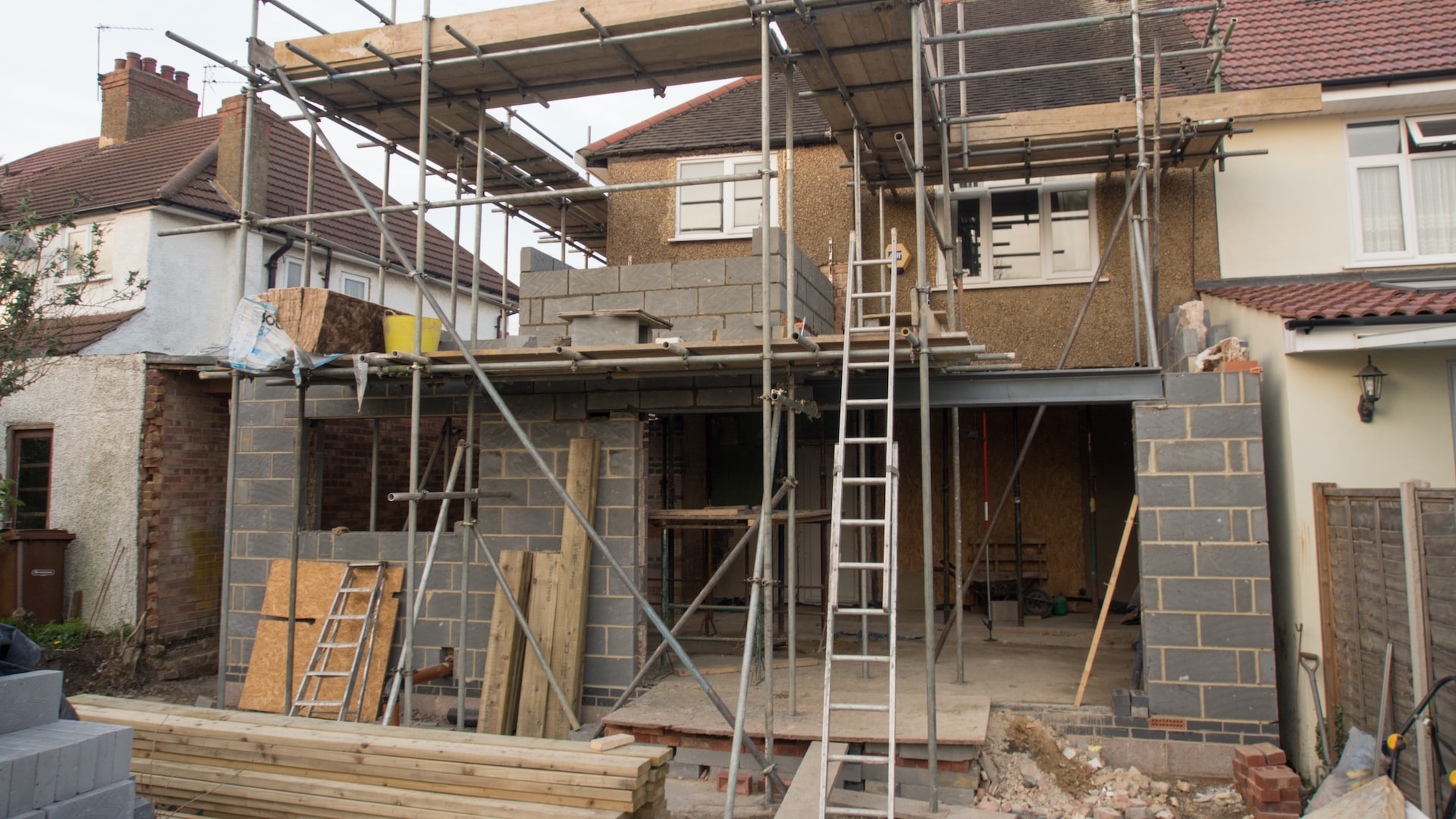
Some homes have a curious habit of stopping at the back door. Inside, every room has a purpose. Outside, there is a patch of lawn, an awkward step, and a collection of outdoor furniture that never quite finds its place. A thoughtfully designed deck can bring those disconnected spaces together, creating somewhere that feels as natural to use as the kitchen or living room.
In Hokowhitu, that might mean a sheltered spot for morning coffee, a generous platform for family lunches, or a modest courtyard deck that makes a compact garden more inviting. For a small business, it could mean a welcoming entrance or an outdoor area where staff can take a proper break.
Palmerston North Decking Solutions is a local deck builder serving Hokowhitu, creating thoughtful outdoor spaces. Before approaching any decking company, however, it helps to understand what makes a deck work, what influences its cost, and which questions turn an attractive idea into a practical brief.
Choosing a deck builder in Hokowhitu
A successful deck begins with the way people live, not the shape of the boards. The right layout should respond to everyday routines, the building’s proportions, and the conditions of the site.
Perhaps your household eats outdoors whenever the weather allows. Perhaps you need a safer transition between a living room and the garden. Or perhaps the existing deck has become an obstacle course of uneven surfaces and furniture squeezed into corners.
Local deck builders should be able to discuss these needs alongside the structural work. When speaking with Palmerston North Decking Solutions, start by describing what you want to do outside rather than arriving with a fixed size alone.
Look for a clear conversation
Useful early questions include:
- How will the proposed deck connect with existing doors and pathways?
- Where will rainwater go beneath and around the structure?
- What information is needed before a reliable quote can be prepared?
- Could the project require building consent or other approvals?
- How will the work affect access to the house or business?
Clear answers matter more than an impressive collection of trade terms. You should understand what is being proposed, what still needs checking, and which decisions remain yours.
Give Every Square Metre a Purpose
The most appealing decks are not necessarily the largest. They are the ones where movement, furniture, and daily use have been considered together.
A dining table needs more room than its tabletop suggests. Chairs must pull out, people need to walk behind them, and access to the house should remain clear. Likewise, a barbecue works best where the cook is included in the gathering without placing heat or smoke too close to doors, windows, or combustible surfaces.
Plan around real furniture
Before settling on dimensions, measure the outdoor furniture you already own or intend to buy. Mark its footprint on the ground with string or temporary markers, then walk around it.
This simple exercise can reveal whether a proposed deck is comfortably proportioned or merely looks generous on paper.
Custom deck builders can help translate that exercise into a layout with distinct but connected uses. A wider dining section might sit beside a narrow circulation area, while a quieter corner accommodates a bench or two comfortable chairs.
Leave room for the garden
A deck should belong to its setting rather than cover it indiscriminately. Existing trees, planted borders, lawn access, and views from inside the house all deserve attention.
In a smaller Hokowhitu garden, preserving a strip of planting beside the deck can soften its edges and make the whole space feel more established. Changes in level may also offer opportunities, but steps and raised sections should serve a practical purpose rather than introduce unnecessary complexity.
Choosing Timber With Everyday Life in Mind
Timber has an easy visual relationship with gardens and residential architecture. Its grain, warmth, and changing appearance are part of its appeal. However, choosing boards is not simply a matter of selecting a colour.
Wooden decking builders should explain how different timber options compare in durability, maintenance, availability, and cost. They should also discuss appropriate treatment, fixings, and installation details for the intended use.
Think beyond the sample board
A small timber sample cannot show exactly how a completed deck will look after exposure to sun and rain. Ask how the proposed material is likely to weather and what maintenance is recommended if you want to retain a particular finish.
Consider:
- How much direct sunlight the deck will receive.
- Whether nearby trees will drop leaves or debris.
- How much cleaning and recoating you are willing to undertake.
- Whether barefoot comfort is a priority.
- How the timber will sit visually beside the house.
Decking specialists should also consider board spacing, ventilation, and moisture management. These details may be less exciting than choosing a stain, but they influence how well the finished structure performs.
No timber deck is entirely maintenance-free. A realistic care plan is part of a sensible material choice.
What Happens During Deck Installation
Good deck installation involves much more than attaching boards to a frame. The visible surface depends on sound support, suitable connections, and careful detailing beneath it.
Although the exact sequence varies with the project, it commonly includes site assessment, design development, approval checks where necessary, setting out, foundation work, framing, and installation of the decking surface.
The hidden work deserves attention
Ground conditions, the deck’s height, and its relationship with the building can affect the structural approach. Where a deck connects to a house, weatherproofing and attachment details require particular care.
Ask prospective decking contractors how they will address these matters and what inspections or documentation may be needed. Requirements depend on the project, so avoid assuming that every low deck is automatically straightforward or exempt from approval.
Palmerston North City Council guidance and relevant professional advice can help clarify obligations before construction begins.
Prepare for a working site
Even a relatively small project can temporarily change the way a property functions. Materials need somewhere to be stored, workers need access, and excavation or cutting can create disruption.
Agree on practical arrangements in advance, including working hours, access routes, waste removal, and how children or pets will be kept away from the work area. For businesses, discuss customer access and whether any entrances must remain available throughout construction.
Making Sense of Deck Building Quotes
Two prices are only meaningfully comparable when they cover substantially the same work. A lower figure may reflect a simpler specification, fewer finishing details, or exclusions that become apparent later.
Well-prepared deck building quotes should make the scope understandable. They should identify the proposed materials, dimensions, key construction elements, and any allowances or exclusions.
Compare the detail as well as the total
When reviewing quotes, look for clarity about:
- Site preparation and any removal work.
- Foundations, framing, decking boards, and fixings.
- Steps, handrails, barriers, or built-in features where required.
- Consent-related responsibilities and associated costs.
- Waste removal and the condition in which the site will be left.
- Payment stages and the process for approving changes.
- Whether GST is included.
If something is unclear, ask before accepting. A written clarification is easier to rely on than a casual assumption.
It is also worth asking how unexpected conditions will be handled. Concealed deterioration in an existing structure or unforeseen ground issues can affect the work. Knowing the process for discussing additional costs helps prevent surprises.
Knowing When Deck Replacement Makes Sense
An ageing deck is not automatically beyond repair. Equally, fresh stain cannot resolve an underlying structural problem.
Loose boards, movement, deteriorating timber, or questionable connections deserve assessment rather than cosmetic treatment alone. If an area appears unsafe, restrict access until it has been checked.
Repair the problem rather than the appearance
Deck replacement may be worth considering when deterioration is extensive, the supporting structure is unsuitable, or the existing layout no longer serves the property.
A replacement also offers a chance to correct longstanding frustrations. Steps might be repositioned, an awkward corner simplified, or a cramped entertaining area reshaped.
Ask whether any existing components can reasonably remain and how their condition will be assessed. Reusing material is only worthwhile when it is suitable for the proposed work; it should not become an excuse to compromise the new deck.
Outdoor Spaces That Work for Small Businesses
Residential ideas do not always translate directly to commercial settings. A deck serving customers or staff may need to accommodate heavier use, different access requirements, and more demanding cleaning routines.
For a small business in Palmerston North, the first question should be what the space is intended to do. A staff lunch area has a different brief from a customer-facing entrance or hospitality space.
Discuss the intended activity with your designer or contractor, including accessibility, slip risks, barriers, lighting, and any relevant approval requirements. Keep routes clear and avoid allowing decorative features to interfere with safe movement.
The best commercial outdoor areas feel welcoming because practical details have been resolved, not because they are crowded with furniture.
Frequently Asked Questions
How far ahead should I contact a decking company?
Start once you have a reasonably clear idea of your goals. Design decisions, quoting, material availability, approvals, and contractor schedules can all affect timing. Ask for a realistic programme rather than assuming work can begin immediately.
Can a deck be built on sloping ground?
Often it can, but a slope may change foundation requirements, deck height, access, and the need for barriers or approvals. A site assessment is essential before choosing a design or relying on a budget estimate.
Should I choose the timber before requesting quotes?
You do not need every detail resolved, but specifying comparable materials makes quotes easier to assess. Ask decking builders to explain alternatives and price clearly identified options where appropriate.
How do I find out more about Palmerston North Decking Solutions?
The company’s website is palmerstonnorthdeckingsolutions.co.nz. Use your enquiry to confirm current service coverage, discuss your property, and ask what information is needed for an initial assessment.
What should I have ready for an initial discussion?
Photographs, approximate measurements, a rough budget, and a short list of priorities are useful. Include anything that may affect access or construction, such as tight side passages, existing paving, or known drainage concerns.
Make Room for Better Everyday Living
A well-planned deck earns its place through ordinary moments: breakfast outside, an easy step into the garden, or enough room for everyone to gather without rearranging the furniture.
For homeowners and small businesses considering Palmerston North Decking Solutions, the strongest starting point is a practical brief. Explain how the space should work, ask questions about materials and construction, and insist on a clear understanding of the proposed scope.
Thoughtful planning will not eliminate every decision, but it makes those decisions easier. The result can be an outdoor space that feels less like an addition and more like a missing part of the property finally put in place.