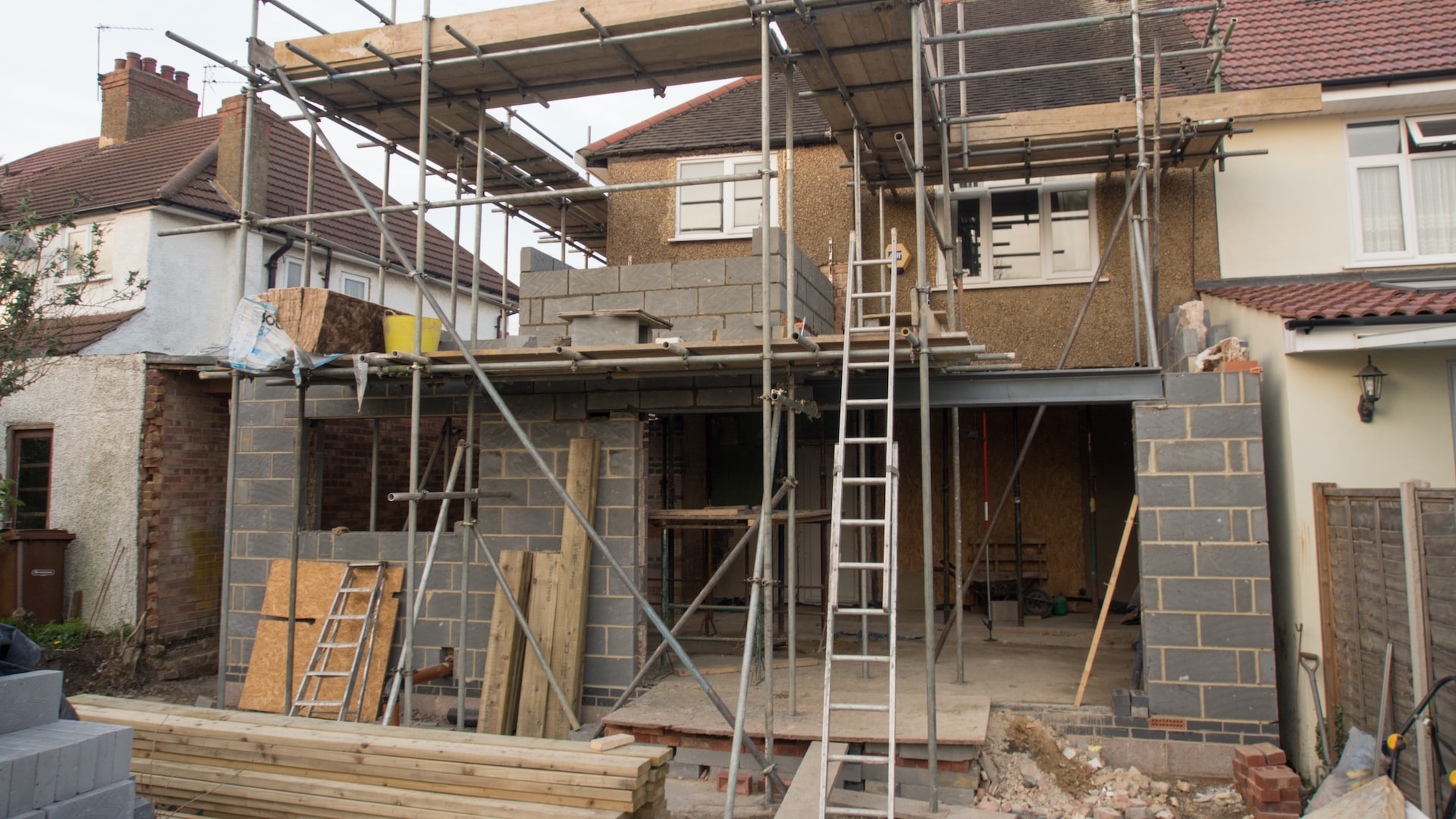
Before a new patio hosts its first summer dinner, before a driveway welcomes customers, and before an extension becomes the most-used room in the house, something less glamorous usually happens. The ground has to be prepared.
It is easy to focus on the finished result. Garden beds, paving, walls and new buildings are what we see and use. Yet the work underneath can influence everything from how rainwater moves across a property to whether vehicles can reach a new garage comfortably.
For homeowners and small business owners in Hamilton, earthworks are often the quiet beginning of a much bigger improvement. They turn an idea on a sketch into a site that other trades can work with. They can also expose practical questions that deserve answers before construction starts.
Hamilton Earthmovers is a local company to consider when planning that conversation. Its website offers information about earthmoving Flagstaff project planning and site preparation, providing a starting point for enquiries about a project’s scope and the company’s suitability. Knowing what to discuss before making contact can help you move from a general ambition to a workable brief.
Why earthmoving in Flagstaff Starts With Good Questions
A property may look straightforward from the street while presenting a different story behind the gate. Access might narrow beside the house. A garden may slope towards a planned building area. Underground services could run through the most convenient place to dig.
That is why the most useful first question is not always, “How much soil needs to go?” It is, “What does this space need to do when the work is finished?”
A household might need a level area for outdoor living. A small business might need practical vehicle access or ground preparation for a storage area. Each outcome creates different requirements for levels, drainage, excavation depth and surface preparation.
Start With the Finished Use
Describe the intended result in everyday language before getting caught up in machinery or measurements.
For example, “We want to park two vehicles without blocking the entrance” gives a contractor more useful context than “We need some dirt moved.” Likewise, a garden redesign may require several different levels rather than one completely flat surface.
A clear brief should explain:
- What you want to build or change.
- How people and vehicles will use the area.
- Which existing features must remain.
- Whether another trade has supplied plans or specifications.
- When the next stage of work is expected to begin.
These details help earth moving contractors identify the questions that need resolving before work is priced or scheduled.
Excavation Is More Than Digging a Hole
Excavation is often described as the removal of soil, but a successful job depends just as much on what remains. The shape, depth and condition of the prepared ground matter to whatever comes next.
For a path, that might mean allowing sufficient space for the specified base materials and finished surface. For a building project, excavation may need to follow levels and requirements supplied by the designer or engineer. For a landscape change, it may involve carefully reshaping the site without creating an unwanted low point.
The appropriate method depends on the project. Some sites need material removed; others may need suitable material brought in or redistributed. A contractor should be able to explain the proposed approach and identify where specialist design advice is required.
Ground Conditions Can Change the Plan
What lies below a lawn is not always obvious. Previous landscaping, buried rubble, soft patches or unexpected fill can complicate an otherwise simple-looking job.
This does not mean every project is likely to become difficult. It means a sensible quote and programme should acknowledge uncertainty.
Ask how unforeseen ground conditions would be handled. Who would be notified? Would work pause while a revised approach was agreed? How would additional costs be authorised?
Discussing those points early is far easier than making decisions beside an open excavation.
Water Needs Somewhere Appropriate to Go
Changing ground levels can change the way water travels. An area that appears attractively level may still need a designed fall so rain does not collect against a building or move towards a neighbouring property.
Do not assume excavation alone solves a drainage problem. Depending on the work, input from a qualified drainage professional or designer may be needed.
The important principle is simple. Ground preparation and water management should be considered together, rather than treated as unrelated tasks.
Choosing Between Earth Movers Companies
Searching for earth movers companies can produce a long list of names, machine photographs and broad service descriptions. The more useful comparison is how clearly each business responds to your particular project.
A contractor who asks about access, plans, underground services and the intended finished level is gathering information that affects the job. Those questions are not unnecessary complications; they are part of defining the work properly.
When approaching Hamilton Earthmovers, explain your project in enough detail for the company to confirm whether it is a suitable fit. Ask about relevant experience, current availability and what information would be needed for an assessment.
Compare Scope Rather Than a Single Price
Two quotes can look similar while covering different things. One may include the removal of excavated material, while another assumes it will remain on site. One may allow for imported base material, while another covers excavation only.
Before choosing between proposals, check whether each addresses:
- Machinery transport and site establishment.
- The area and depth of work.
- Loading, cartage and disposal of excavated material.
- Any imported material and its intended purpose.
- Compaction requirements where applicable.
- Protection or reinstatement of affected access areas.
- Exclusions, assumptions and arrangements for variations.
Not every item applies to every job. The aim is to make the boundaries visible so there are fewer surprises.
Look for Communication You Can Use
Good communication does not require technical language. You should be able to understand what is proposed, what remains uncertain and what you need to do next.
Ask for clarification when a term is unfamiliar. A useful explanation might distinguish between removing topsoil and excavating to a specified formation level, or between spreading material and compacting it to a project requirement.
Those differences can have real implications for both the budget and the finished result.
Making a Residential Site Work Better
For homeowners, the challenge is often fitting improvements into an established property without disrupting everything around them.
A new outdoor area might sit beside a mature tree. An extension might be reached only by a side passage. A driveway alteration might affect how the family enters and leaves the house throughout the day.
These practical details belong in the planning conversation, not just on the day machinery arrives.
Access Deserves an Early Check
Measure narrow entrances and mention gates, overhead obstructions, steps and tight turns. Photographs can help explain the layout, although they may not replace a site visit.
Machine size is not simply a matter of choosing the largest available option. The right approach depends on access, working room, ground conditions and the task itself. A restricted site may require a different method, with implications for time and cost.
Also discuss where trucks could stop, where materials could be temporarily stored and whether existing surfaces need protection.
Protect the Features You Intend to Keep
Clearly identify anything that must remain undisturbed, including fencing, garden structures, paving and significant planting.
Trees deserve particular care because roots can extend beyond the visible trunk area. Where work may affect an important tree, seek appropriate arboricultural advice before excavation begins.
Underground services also need attention. Relevant records, locating procedures and any necessary verification should be addressed before digging. A remembered pipe route or an old sketch should not be treated as a guarantee.
Practical Groundwork for Small Businesses
For a small business, earthworks are not only a construction expense. They may affect deliveries, customer access, staff parking and the ability to keep trading.
A carefully planned project can help reduce avoidable disruption, even when the work itself is relatively modest.
Consider a business preparing an area for storage or improving an awkward entrance. The excavation scope matters, but so do the hours when trucks arrive and the route customers will use while work is underway.
Plan Around Daily Operations
Before agreeing on a programme, discuss the business’s busiest periods and essential access needs. Ask whether the work can be staged and whether temporary arrangements will be necessary.
Useful questions include:
- Can deliveries continue safely during the work?
- Which areas will be unavailable, and for how long?
- How will workers and visitors be separated from the work zone?
- Could noise or dust affect neighbouring businesses?
- Who will communicate changes if weather delays the programme?
The answers should suit the site rather than rely on a generic promise of minimal disruption.
Building a Useful Brief for Hamilton Earthmovers
An enquiry does not need to be a technical document. A short, organised description can make the first conversation much more productive.
Include the Hamilton property’s location, the purpose of the work and an approximate description of the area involved. Mention any access restrictions and whether plans, levels or engineering information are available.
If you have a preferred timeframe, explain why it matters. A date tied to a booked builder is different from a general hope to finish before summer.
Separate Essentials From Preferences
It helps to distinguish non-negotiable requirements from ideas that are still flexible.
Perhaps vehicle access must remain available, but the exact shape of a landscaped area can change. Perhaps excavated material must leave the property because there is nowhere suitable to retain it.
Sharing those priorities gives the contractor a clearer basis for discussing options. It also helps you assess whether a proposed approach supports the wider project.
Frequently Asked Questions
Do I Need Consent Before Earthworks Begin?
Some work may require resource consent, building consent or other approvals, depending on its scale, location and relationship to structures or drainage. Check current requirements with the relevant council and your project professionals before work starts. Do not assume a small excavation is automatically exempt.
Can Excavated Soil Stay on the Property?
Possibly, if there is a suitable and lawful use for it. Its condition, composition and intended placement all matter. Retaining soil should not create drainage problems or involve placing unsuitable material beneath future structures. Discuss reuse before assuming disposal can be avoided.
How Long Will the Work Take?
Timing depends on access, ground conditions, the volume of material, disposal arrangements, weather and the required finish. Ask for an estimated programme based on your actual scope, including any dependencies on inspections or other trades.
What Should I Have Ready Before Requesting a Quote?
Provide a description of the finished outcome, photographs, approximate dimensions and any available plans. Mention known services, access constraints and features that need protecting. Ask whether a site visit is needed before a meaningful quote can be prepared.
Should I Choose a Contractor Before Finalising the Design?
Early contractor input can help identify practical access and construction issues. However, work that depends on engineered levels or structural requirements should be guided by the appropriate design information. Contractor advice and professional design often serve different, complementary purposes.
Give Your Next Project a Strong Start
The most successful property improvements begin with decisions that may never appear in the finished photographs. Sensible levels, clear access, suitable ground preparation and a well-defined scope all help the visible work come together.
Whether you are improving a family property or preparing a small business site, take time to explain what the space needs to achieve. Gather the available information, check approval requirements and ask direct questions about inclusions and uncertainties.
Hamilton Earthmovers offers a local starting point for that discussion. A thoughtful enquiry today can help turn an ambitious idea into a practical next step, with fewer assumptions standing between the ground you have and the space you want.